January 2026

January 2026

Public Policy for the People: Advocacy Is More Important Than Ever

Hello advocates! How are you doing?!

charles millerMy name is Charlie Miller, and I work at the Georgia Council on Developmental Disabilities (GCDD). My job is to help people speak up for disability rights. I'm excited to share this January newsletter about what's happening in Georgia's government.

The holidays are over, and it's almost time for one of my favorite events: the 2026 Georgia State Legislative Session. This is when Georgia's lawmakers meet to make new laws. The work we do to speak up for people with disabilities is becoming more important than ever. The decisions lawmakers make will directly affect people with disabilities, their families, and the programs that help them across Georgia.

This article will help you understand:

  • What happens during the legislative session
  • How you can get involved
  • How to join GCDD's Advocacy Days
  • What's happening with federal laws

Most importantly, this is your invitation to show up, speak out, and make sure lawmakers think about the disability community when they make decisions.

Let's get ready to advocate together!

Getting Ready for Georgia's Legislative Session

Every year, Georgia has a legislative session. This is when state representatives and senators travel to Atlanta to debate new laws and decide how the state will spend money. These state lawmakers are different from members of Congress. Georgia legislators work part-time, which means they only meet for a short time each year.

The Georgia General Assembly starts meeting in the second week of January and usually ends in late March. They only meet for 40 days, which is one of the shortest sessions in the country. Because time is short, lawmakers have to work fast. They look at hundreds of bills, but only a few actually become laws.

During those 40 days, legislators vote on things that affect our daily lives, including:

  • Voting rights
  • Jobs and employment
  • Education
  • Healthcare
  • Medicaid waiver services that help people with developmental disabilities

Because there isn't much time, lawmakers really need to hear from the people they represent. They need to know what matters most to their communities.

This is where you come in.

As an advocate, you can help your local lawmaker understand how their decisions affect real people. To make this easier, use our Find Your Legislator tip sheet on how to find and meet with your legislator. It helps you find your representatives and even gives you a script to help you contact them.

GCDD is always here to help you get ready. We can help you write a message, understand a bill, or plan a visit to the Capitol. One of the best ways to advocate is to build a relationship with your local legislator. You are the expert on your own life, and lawmakers learn a lot when they hear directly from you.

GCDD Advocacy Days
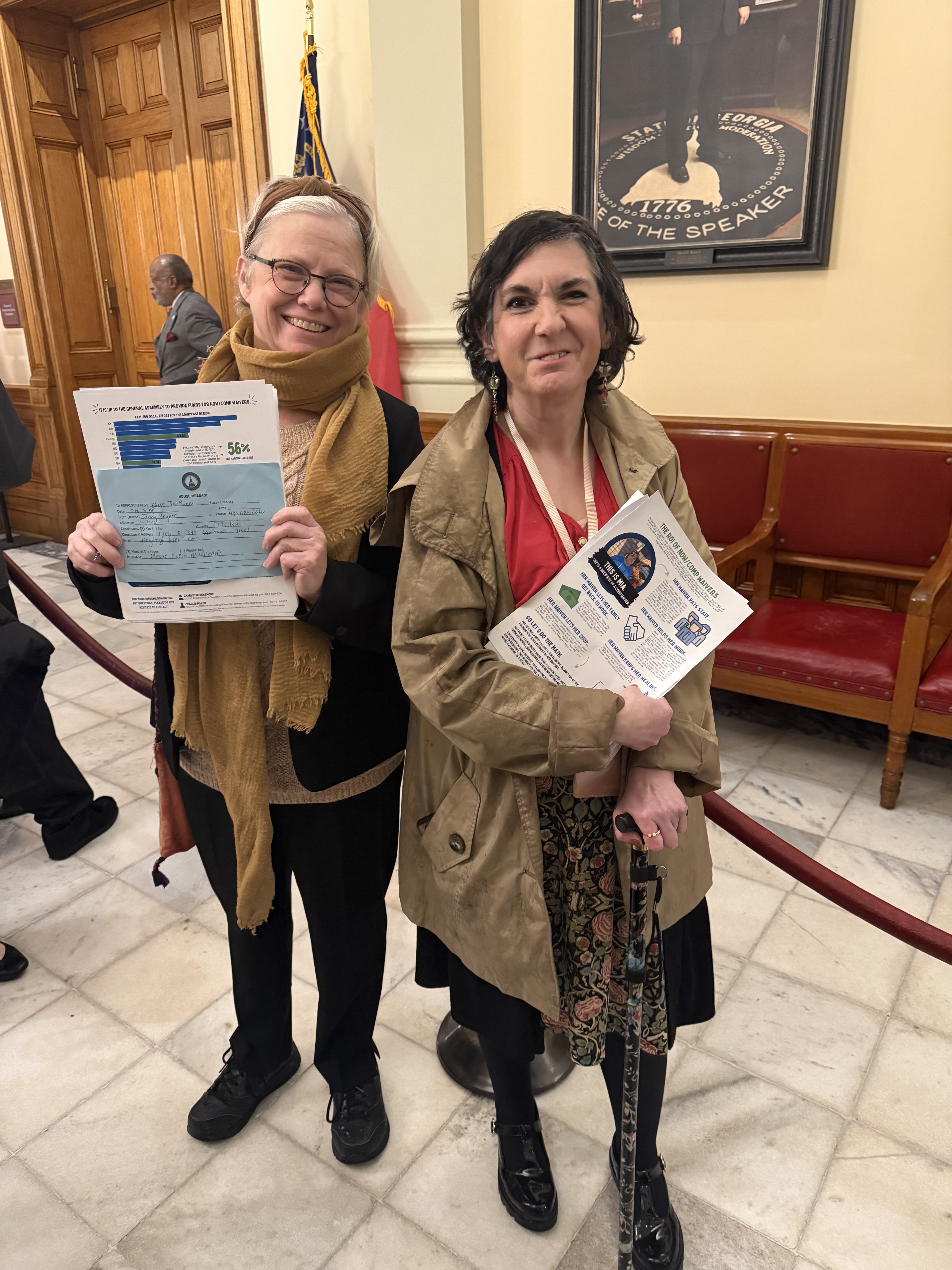
advocacy days 2025 two womanAdvocates at the Capitol During Last Year's Advocacy DaysGCDD is excited to announce our 2026 Advocacy Days! This is an important part of our work every year. We bring together advocates, self-advocates, family members, and community partners to talk directly with lawmakers about disability issues that matter most.

Each Advocacy Day focuses on specific topics that affect our community. Last year, hundreds of advocates came to the Capitol across three different days, and together we made real change. Because you spoke up, Georgia became a leader in ending subminimum wages (very low pay) for people with disabilities.

That success didn't just happen. It happened because advocates showed up, shared their stories, and asked for change.

This year's Advocacy Days are:

  • January 28: NOW and COMP Waiver Day
  • February 4: K-12 Education Day
  • March 4: Choose Your Own Adventure Day

Each day is a chance to learn, get involved, and advocate with others who care about disability rights. Watch for the Advocacy Day link so you can join us at the Capitol and make a real difference in your community.

GCDD will also share information throughout the session about other ways to get involved, including hearings, meetings, and opportunities to share your opinions publicly.

Why the State Budget Matters

One of the most important jobs of the Georgia General Assembly is passing the state budget. Georgia's budget is over 37 billion dollars, and it affects every person in Georgia. It pays for our roads, public schools, police and fire departments, and most importantly for us, disability services and supports.

Medicaid waiver programs like NOW and COMP are run by two state departments: the Department of Behavioral Health and Developmental Disabilities and the Department of Community Health. These programs need enough money to work properly. They help people with disabilities live, work, and take part in their communities.

Right now, more than 8,000 people with disabilities in Georgia are on a waiting list for services. The budget decisions made during this session will decide whether that list gets longer or shorter.

The House and Senate will hold public meetings and budget hearings. We strongly encourage advocates to attend these meetings or contact their legislators directly. We need to make sure lawmakers understand how important it is to fund programs for the disability community. This is a time when our voices together can really make a difference.

Federal Policy Update

At the federal level (the U.S. government in Washington, D.C.), the past year has been uncertain. In our last update, we were in the middle of the longest government shutdown in United States history, with many important issues still unresolved. Right now, there is a temporary funding plan in place to keep the government running through the end of January, but there's still a risk of another shutdown.

Federal legislators are working to keep the government open. What happens at the federal level can affect state programs, funding, and services that support people with disabilities. GCDD will keep watching these developments and sharing updates with you.

Wrapping It Up

Caring about your community and speaking up for it go hand in hand. Advocacy is not something you can just watch from the sidelines. You can't sit back and expect change to happen on its own.

We would love to have you at the Capitol this session, advocating with us and reminding lawmakers why the disability community needs to be heard on these important issues. When we work together, we make sure that disability voices are not just included, but are at the center of the conversation.

Advocacy is more important than ever. Over the past year, our community has come together to make real progress, and we're going to keep pushing forward in 2026. Stay connected, stay informed, and stay involved. Together, we can make sure that public policy truly works for the people.

Public Policy For The People, Feature Story

Project SETA: Building Georgia's Next Generation of Disability Leaders

Project SETA: Students Enhancing Their Advocacy is a one-year training program that helps young people build strong skills in speaking up for themselves and being leaders. It was first made for students in college programs that include everyone, but it has grown to help anyone ages 14 to 26. Students chosen for this program get training and support in advocacy, leadership, and being professional.

The project is run by the Center for Leadership in Disability (CLD) at Georgia State University with help from the Georgia Council on Developmental Disabilities (GCDD). The CLD is Georgia's University Center for Excellence in Developmental Disabilities (UCEDD) and works on research, training, and programs that support people with intellectual and developmental disabilities across the state.

Molly TuckerMolly Tucker"[Project SETA] was a response to a call from GCDD for building the next generation of disability leaders in Georgia," explains Molly Tucker, assistant director of the CLD. "Part of why we initially thought about doing this program with students who were in inclusive post-secondary programs is because they have already demonstrated that they want to better themselves and continue to grow. We thought they were a great group to start with because they already demonstrated the prerequisite skills that [Project SETA] aims to expand and amplify."

One of Project SETA's main goals is to help people with intellectual disabilities (ID) learn clear, everyday skills in communication, leadership, advocacy, and being professional. The program shows that these skills are practical and useful in daily life—and that speaking up for yourself can happen anywhere, not just at home or at the Capitol.

"[Project SETA] helped me speak up for myself instead of letting everyone do it for me; you have to say what you need and what you want in your life," said Justin Gold, a past participant in the project. "It's also a perfect way to help other people to speak up for themselves, too. You have to be there to help those people out, whether they're your friends, family, or coworkers."

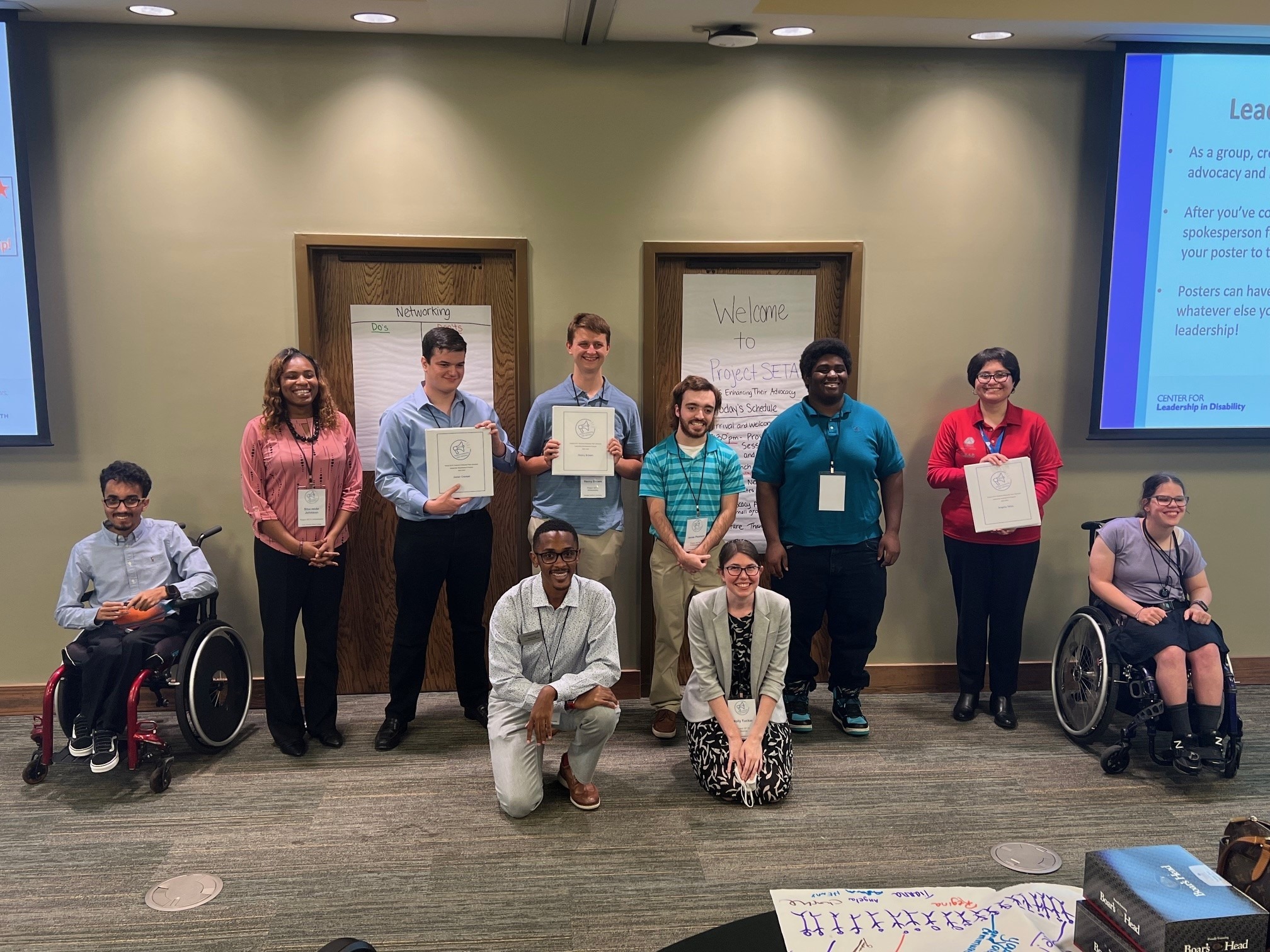
05 Project SETA Cohort 1 at Summer 2022 Networking LuncheonGold has been a YouTuber for 10 years and wants to become a director, actor, producer, and editor. Project SETA has given him many valuable skills that will help him as he works toward these goals. Recently, he began working as a marketing operations assistant for 23 East Group, an Atlanta-based marketing company.
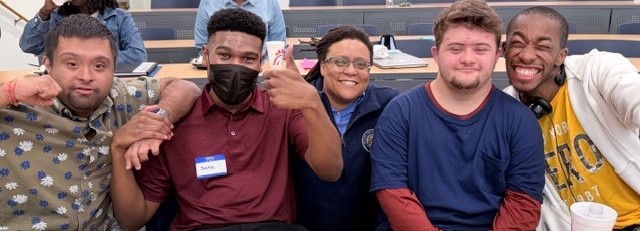
"For me, advocacy helps you to be heard, connect with other people in your community and the disability community in general," said Brooke Baumgardner, an alumna of Project SETA. "It was really nice to talk to people and learn new things. My major is education, so I enjoy learning how to advocate better."

Project SETA also gives people with ID chances to practice and get ready for their journey in speaking up for themselves. Participants learn alongside other disability advocates, go to events on campus, and meet state lawmakers. Meeting legislators is especially important because people with ID often need to talk with government officials to make progress on the issues that matter to them.

"Project SETA is important because it has helped me raise awareness of issues with the Americans with Disabilities Act that I would have never noticed otherwise," said Noelle Ford, who participated in the first cohort of Project SETA. "Self-advocacy is important because it helps remind me to speak up for myself in order to get something changed."

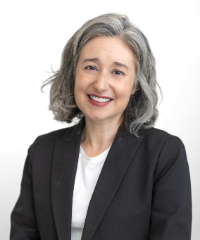
Project SETA Participants with Representative Kim JacksonAccording to Tucker, Project SETA is not without its challenges. The biggest challenge is finding participants from Georgia's college programs to learn and teach the Project SETA material to their peers.
"The idea is that we want to expose as many people as possible to information about leadership, advocacy, and professionalism," explained Tucker. "We decided to change the model of Project SETA to eliminate some of those barriers, such as transportation."

Now that Project SETA has expanded who can join, the program has also changed how it reaches people. It now offers six training sessions in different areas of the state so more people with ID can take part. Each six-hour session covers important topics like why speaking up for yourself matters, what makes a strong leader, the needs of people with IDD in that area, how to communicate clearly, and how to get involved in Georgia's advocacy movement. With this training, a new generation of disability leaders in Georgia will be ready to create change.

Learn more about Project SETA: https://cld.gsu.edu/project-seta/

Feature Story, GCDD Impact

Letter from Leadership: New Year, New Possibilities

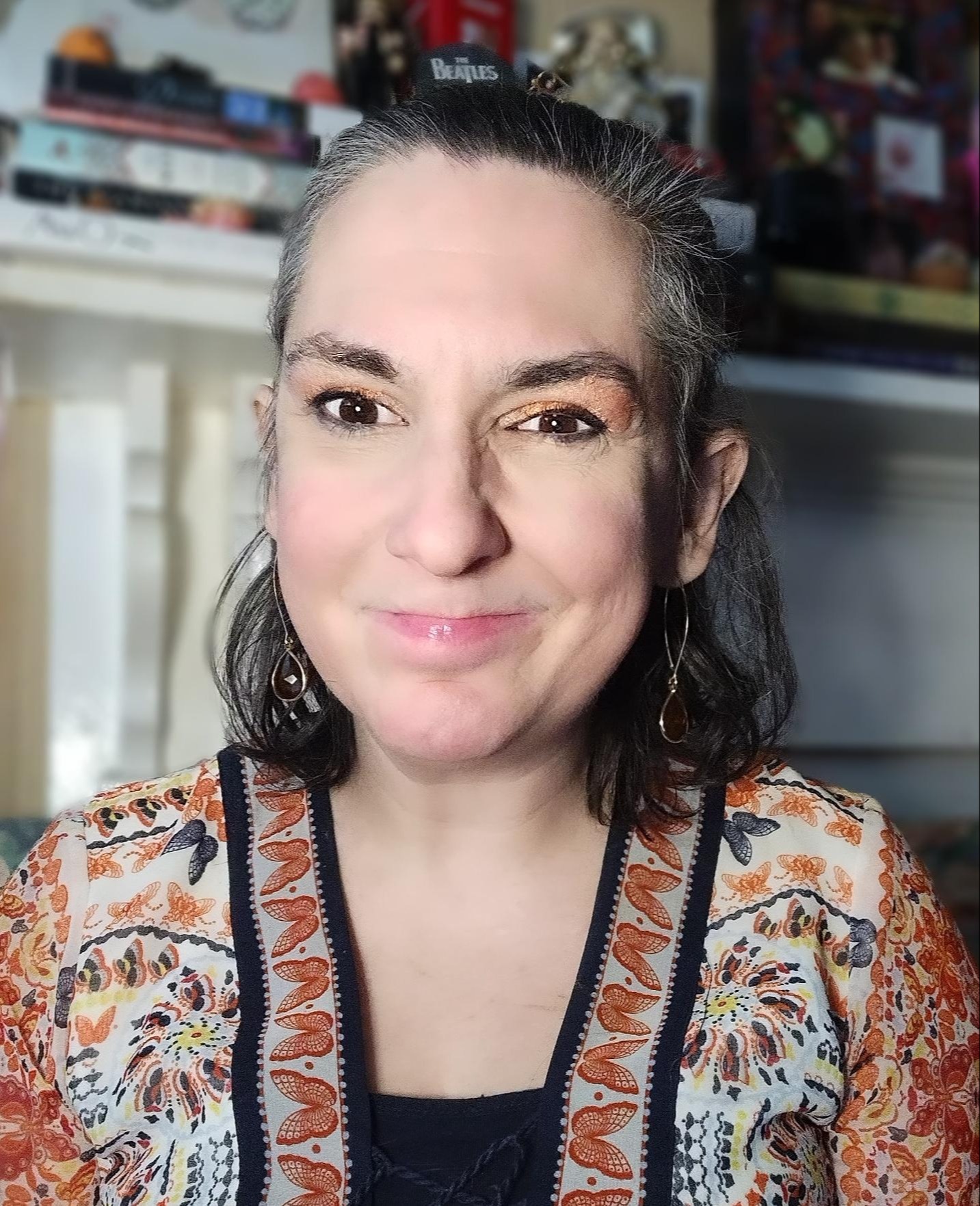
darcy robbWhat if in 2026, we forget about resolutions? Instead, what if we embrace this year as one full of possibilities?
Hear me out. A resolution sounds so ... limited. And likely to fail. Plus, why is there pressure to pick just one? I don’t know about you, but in my work and personal life, I want to accomplish more than one thing this year!

So, what if instead of declaring a single resolution, we explore possibilities all year long instead? Lots of people get a gym membership for their resolution around this time of year. But if I’m not using my gym membership, maybe I need to try hiking, or line dancing, or lift soup cans like weights in my kitchen. The same thing applies across so many situations – just because you try one thing that doesn’t work out, it doesn’t equal failure.

Here at GCDD, we’re thinking more about possibilities than resolutions. That’s especially true this year, because we’re in the middle of creating the strategic plan that will drive our work for the next five years.

Thank you to the hundreds of you who shared your thoughts with us. Thank you to the staff who’ve worked hard to gather and present information. Thank you to our Council members, who have spent hours learning and thinking, and giving us the first directions about what kind of plan they want to see. Some of the early talks have focused on community connections, self-advocacy, access to information and resources, and thinking of “special needs” as “human needs”.

This month, we’ll be presenting the draft ideas for the plan to our Council members. In the spring, we’ll be sharing the draft plan with you. I’m eager to see what you think and to get started on the next chapter of our work together.

I hope 2026 is a happy, healthy year for you, full of going after new possibilities all year long.

D'Arcy Robb 
GCDD Executive Director 

Letter from Leadership

Jessica Cowell: Acting, Leading, and Speaking Up for Inclusion and Community

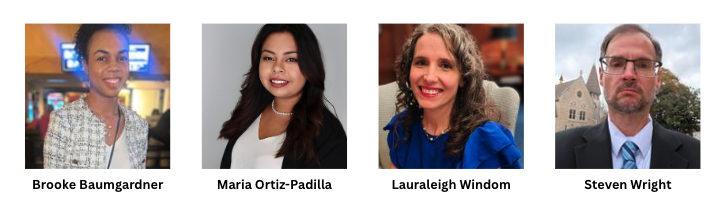
Jessica Cowell HeadshotWhether she is acting, directing, or speaking up for people with disabilities, Jessica Cowell, who has cerebral palsy, knows how to use her voice. She loves being on stage and is dedicated to making sure everyone feels included and welcome.
"Ever since I was in preschool, I was told it was important for me to use my voice as a person with a disability," says Cowell. "Everyone should be able to use their voice, but not everyone is able to access it."

Unfortunately, Cowell knows what it is like to face discrimination. When she was a little girl, she was excited to learn that her church was putting on a play. However, she was cut from the show about a week before the performance. But this experience did not stop her from going after theater. Instead, it made her belief stronger that every voice matters.

"Now, we see more people with disabilities included in shows," said Cowell. "It's so important to include people with disabilities, because we are part of the world, and we are not lesser because of the body we live in."

Years later, Cowell was going to Columbus State University and taking theater classes. It was during that time that her new church minister asked her to use her experience to write and direct a children's play. Cowell was nervous but excited about the chance. She had only one rule for this production: If someone wanted to be in the play, they got to be in the play.

"If there is something you really love, even if it's not directly related to a disability, try and become involved in it if you can," advised Cowell. "Making connections is essential because that's how you're heard and seen. Don't be afraid to be who you are, because there's nothing wrong with us."

Cowell's work in theater and her church has helped her find a sense of meaning and community in her life. Church and faith are especially important to her, and she is now going to seminary school. She also finds community with her neighbors.

"The bus system in Columbus is not amazing, and I can't drive," explained Cowell. "It's hard to be seen and heard when you can't get places. My neighbors help me get around when they can. I'm so thankful for how kind my neighbors and friends are."

Now, Cowell works hard to make sure other Georgians with disabilities can find their own sense of community by serving as a council member of the Georgia Council on Developmental Disabilities (GCDD). For her, advocacy is vital both to herself and to the larger disability community. Being a council member has also introduced her to yet another community where she belongs.

"Right now, things are a bit scary for people with disabilities," says Cowell. "But when we do our Advocacy Days, I see so many people who care so much. It gives me so much hope. There are people who want the best for us."

Self-Advocate Spotlight

Four New Members Join Georgia Council on Developmental Disabilities

The Georgia Council on Developmental Disabilities (GCDD) is pleased to announce the addition of four new council members. These Georgians will bring new voices and ideas to the 28-member Council. These members will help make important decisions about services and support for people with disabilities in Georgia.

The new members are:

  • Brooke Baumgardner, advocate, Johns Creek, GA
  • Mariana Ortiz-Padilla, family member, Smyrna, GA
  • Laraleigh Windom, family member, Cumming, GA
  • Steven Wright, advocate, Carrollton, GA

GCDD is part of a network of 56 Councils across the United States. These Councils help people with developmental disabilities live better lives. The Georgia Council is made up of 28 members. At least 60 percent of Council members are people with disabilities or family members of people with disabilities. Other Council members are from state agencies and organizations that work with people with developmental disabilities. GCDD uses public policy and funding to improve the quality of life for people with developmental disabilities and their families. The Council helps people with disabilities be independent, included in their communities, and successful in their lives.

Meet the New Members

GCDD's New Council Members - January 2026

Brooke Baumgardner is part of Project SETA, a program at Georgia State University that teaches students with disabilities how to be advocates. Brooke graduated from Kennesaw State University’s Academy for Inclusive Learning and Social Growth inclusive post-secondary education program. Brooke wants to help people with disabilities belong to welcoming communities.

Mariana Ortiz-Padilla is a family member from Smyrna. She is a former LEND trainee at the Center for Leadership in Disability and a board member of SPECTRUM Autism Support, Inc. She helps Latino and immigrant families who have family members with disabilities. Mariana helps families with medical appointments, IEP meetings, and understanding Medicaid policies.

Laraleigh Windom is a family member from Cumming. She is a nurse, advocate and mother of a son with Phelan McDermid Syndrome. Laraleigh helps other families learn how to get services for their children. She is currently working on a new system to help families during crisis situations.

Steven Wright is an advocate from Carrollton. He brings his experience of living with autism and PTSD to the Council. He wants people to know that you can't always see someone's disability just by looking at them. Steven believes people with disabilities should speak up for themselves in doctors' offices and in public. 

What the Council Does

Council members meet four times each year. At these meetings, they work together to:

  • Decide how to spend Council money on programs
  • Plan ways to help people with disabilities
  • Work on important issues like jobs, education, and community support

We are excited that these four new members bring different experiences and ideas to the Council. They will help make sure people with disabilities and their families have a voice in Georgia. Together, they will work to make Georgia a better place where all people with disabilities can live, work, and be part of their communities.

Learn more about the Council on our Council Members page.

GCDD Updates