Project SETA: Building Georgia's Next Generation of Disability Leaders
Project SETA: Students Enhancing Their Advocacy is a one-year training program that helps young people build strong skills in speaking up for themselves and being leaders. It was first made for students in college programs that include everyone, but it has grown to help anyone ages 14 to 26. Students chosen for this program get training and support in advocacy, leadership, and being professional.
The project is run by the Center for Leadership in Disability (CLD) at Georgia State University with help from the Georgia Council on Developmental Disabilities (GCDD). The CLD is Georgia's University Center for Excellence in Developmental Disabilities (UCEDD) and works on research, training, and programs that support people with intellectual and developmental disabilities across the state.
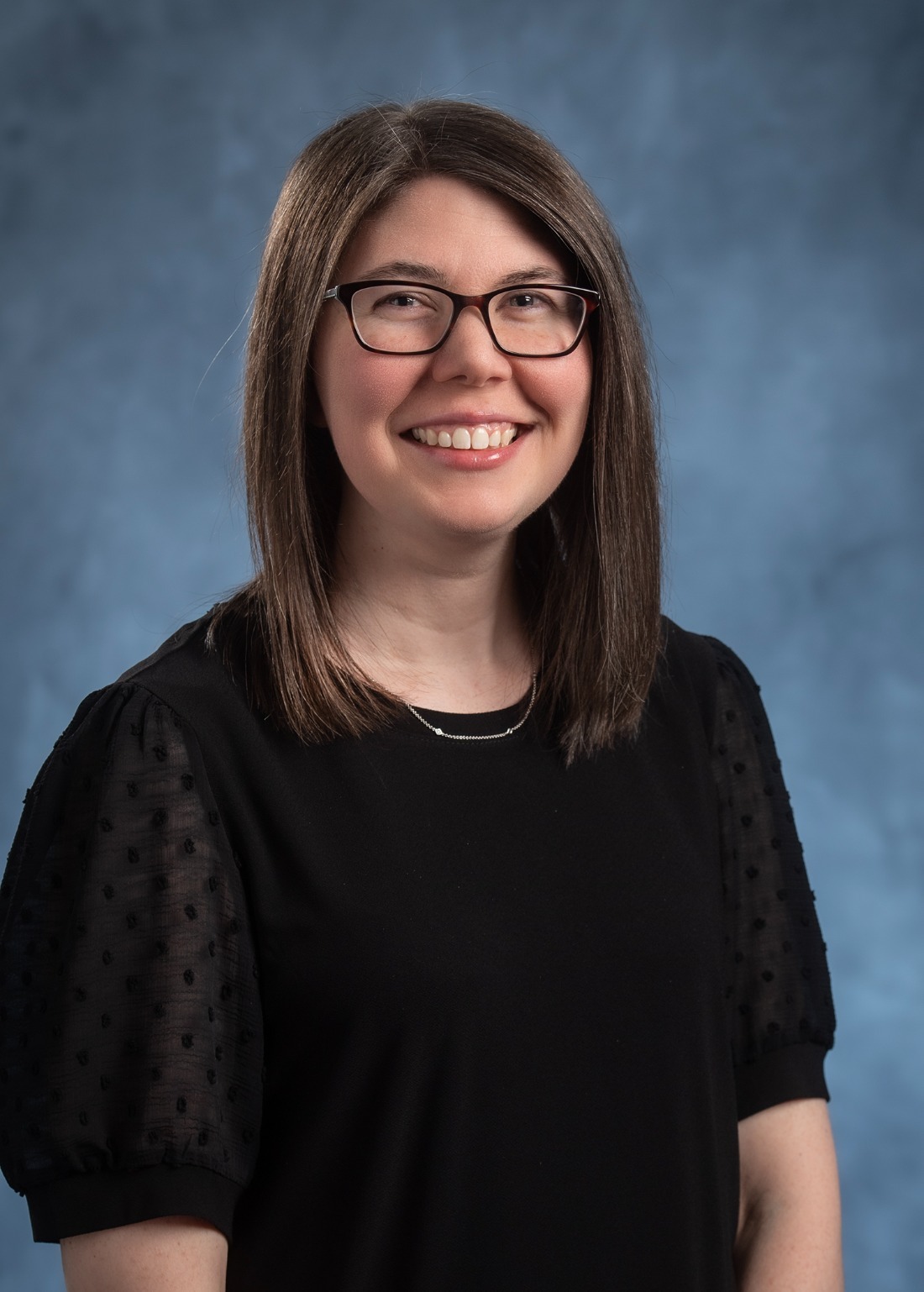 Molly Tucker"[Project SETA] was a response to a call from GCDD for building the next generation of disability leaders in Georgia," explains Molly Tucker, assistant director of the CLD. "Part of why we initially thought about doing this program with students who were in inclusive post-secondary programs is because they have already demonstrated that they want to better themselves and continue to grow. We thought they were a great group to start with because they already demonstrated the prerequisite skills that [Project SETA] aims to expand and amplify."
One of Project SETA's main goals is to help people with intellectual disabilities (ID) learn clear, everyday skills in communication, leadership, advocacy, and being professional. The program shows that these skills are practical and useful in daily life—and that speaking up for yourself can happen anywhere, not just at home or at the Capitol.
"[Project SETA] helped me speak up for myself instead of letting everyone do it for me; you have to say what you need and what you want in your life," said Justin Gold, a past participant in the project. "It's also a perfect way to help other people to speak up for themselves, too. You have to be there to help those people out, whether they're your friends, family, or coworkers."
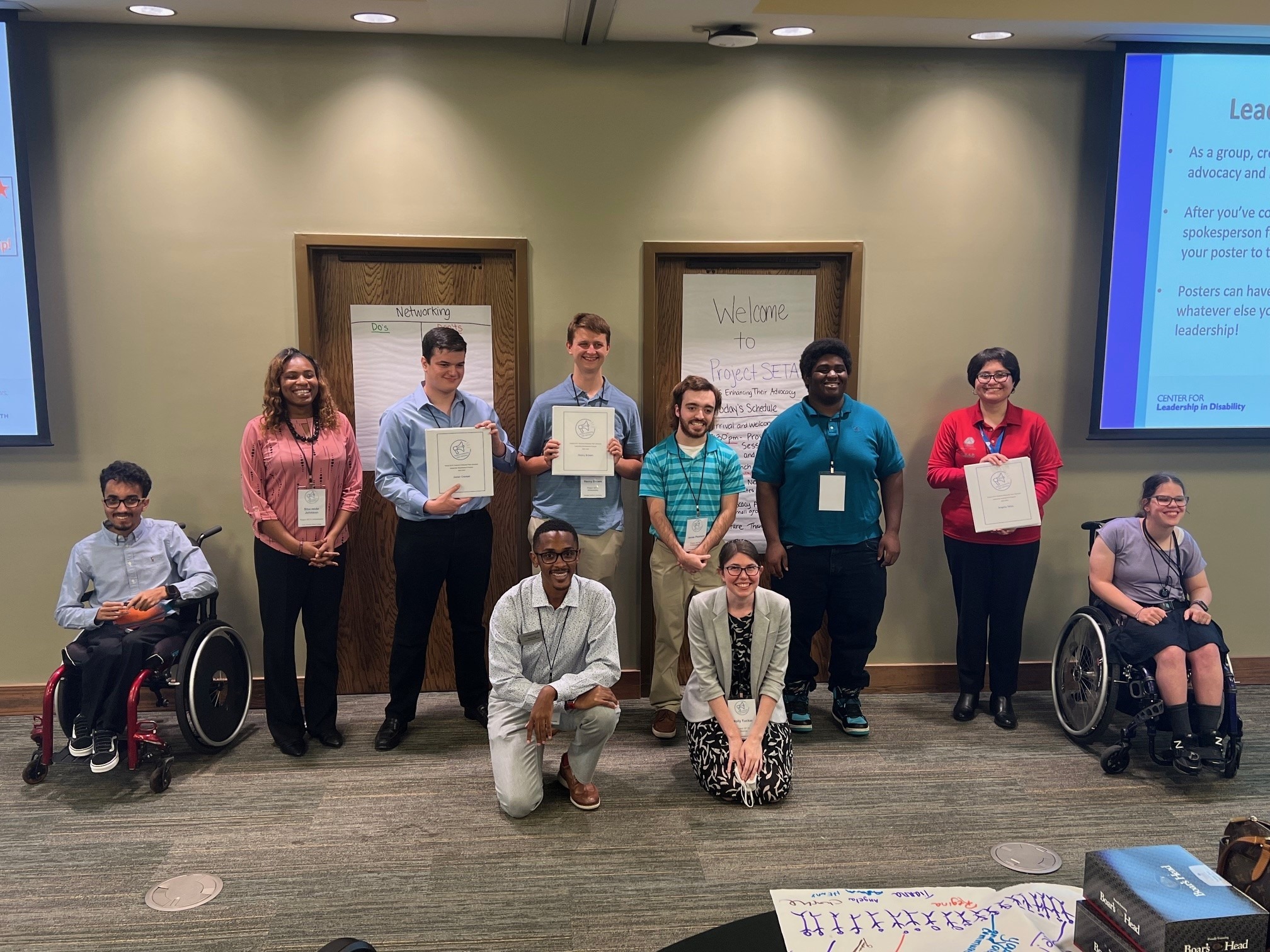 Gold has been a YouTuber for 10 years and wants to become a director, actor, producer, and editor. Project SETA has given him many valuable skills that will help him as he works toward these goals. Recently, he began working as a marketing operations assistant for 23 East Group, an Atlanta-based marketing company.
"For me, advocacy helps you to be heard, connect with other people in your community and the disability community in general," said Brooke Baumgardner, an alumna of Project SETA. "It was really nice to talk to people and learn new things. My major is education, so I enjoy learning how to advocate better."
Project SETA also gives people with ID chances to practice and get ready for their journey in speaking up for themselves. Participants learn alongside other disability advocates, go to events on campus, and meet state lawmakers. Meeting legislators is especially important because people with ID often need to talk with government officials to make progress on the issues that matter to them.
"Project SETA is important because it has helped me raise awareness of issues with the Americans with Disabilities Act that I would have never noticed otherwise," said Noelle Ford, who participated in the first cohort of Project SETA. "Self-advocacy is important because it helps remind me to speak up for myself in order to get something changed."
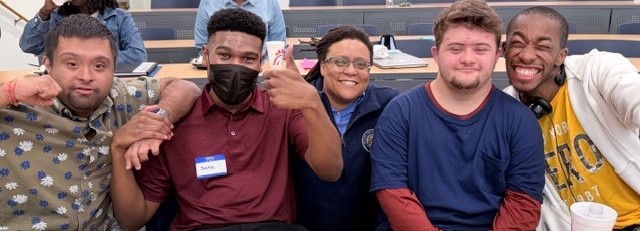 According to Tucker, Project SETA is not without its challenges. The biggest challenge is finding participants from Georgia's college programs to learn and teach the Project SETA material to their peers.
"The idea is that we want to expose as many people as possible to information about leadership, advocacy, and professionalism," explained Tucker. "We decided to change the model of Project SETA to eliminate some of those barriers, such as transportation."
Now that Project SETA has expanded who can join, the program has also changed how it reaches people. It now offers six training sessions in different areas of the state so more people with ID can take part. Each six-hour session covers important topics like why speaking up for yourself matters, what makes a strong leader, the needs of people with IDD in that area, how to communicate clearly, and how to get involved in Georgia's advocacy movement. With this training, a new generation of disability leaders in Georgia will be ready to create change.
Learn more about Project SETA: https://cld.gsu.edu/project-seta/