February 2026

February 2026

Using AI to Expand Access and Independence for People with Disabilities

New technology is changing quickly, and many people find it hard to know how to use it safely or well. Tools powered by artificial intelligence (AI) can make everyday tasks easier and support independence. At the same time, they can raise concerns about false information, privacy, and access. These challenges are often even greater for people with intellectual or developmental disabilities (I/DD) because technology is not always designed with their needs in mind.

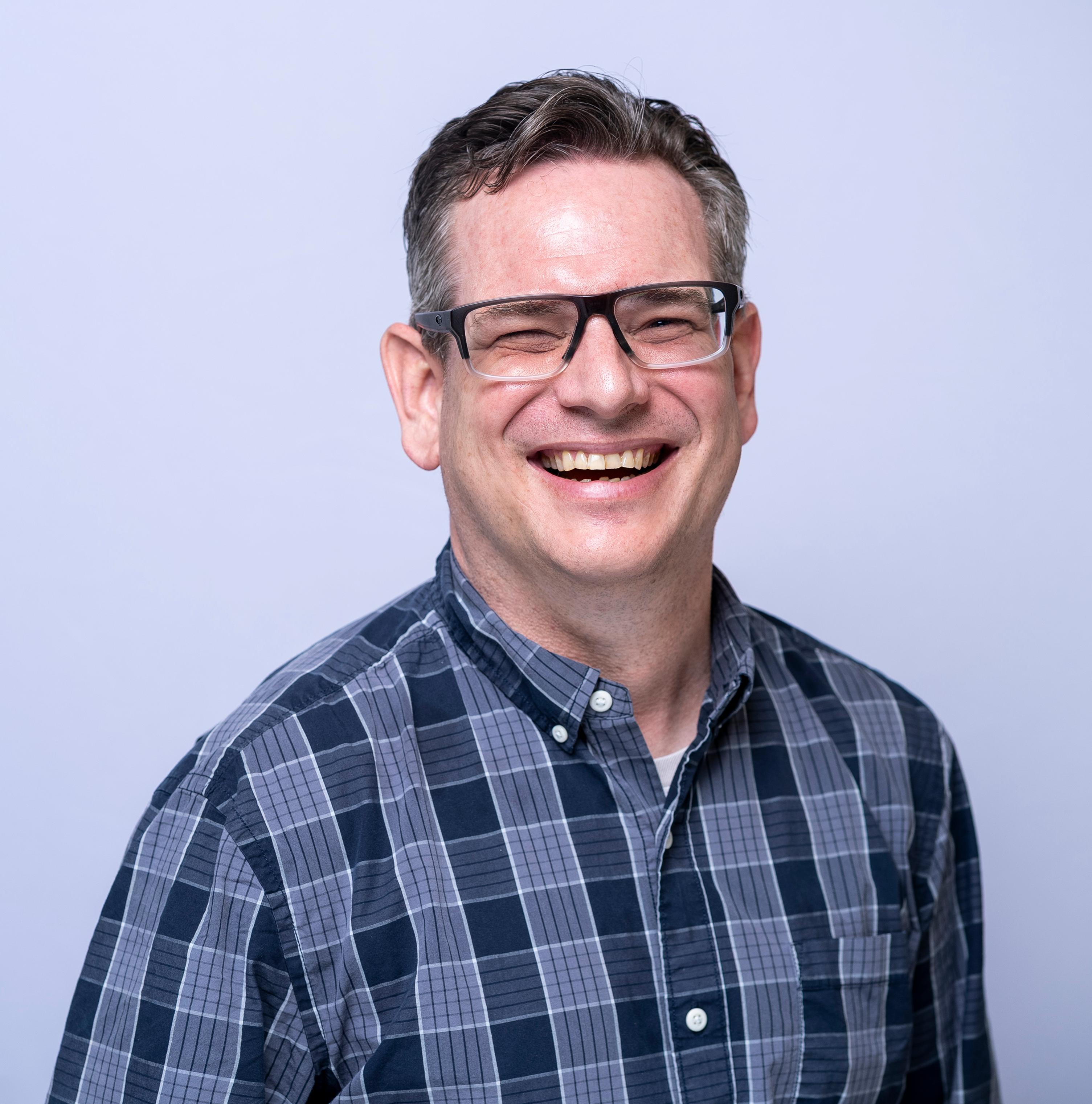
IMG 001 Mark FriedmanMark FriedmanDisability advocates in Georgia and across the country are working to make sure new technology helps people with disabilities instead of creating new barriers. One group doing this work is MyTechForAll, a disability-led AI learning community. MyTechForAll is currently receiving funding through the Georgia Council on Developmental Disabilities’ Technology Education Initiative. The organization brings together disability advocates from across the country to teach people with disabilities how to use AI tools to make daily life easier.

“When it comes to technology, people with disabilities are often left behind,” said Mark Friedman, founder of MyTechForAll. “Our goal is to help people with disabilities use these tools that can aid in decision-making, independence, and doing things they couldn’t do before.”

MyTechForAll’s trainings are led by co-trainers—people with disabilities who use AI tools in their own lives. These co-trainers share their personal experiences, which helps make the training more welcoming and practical.

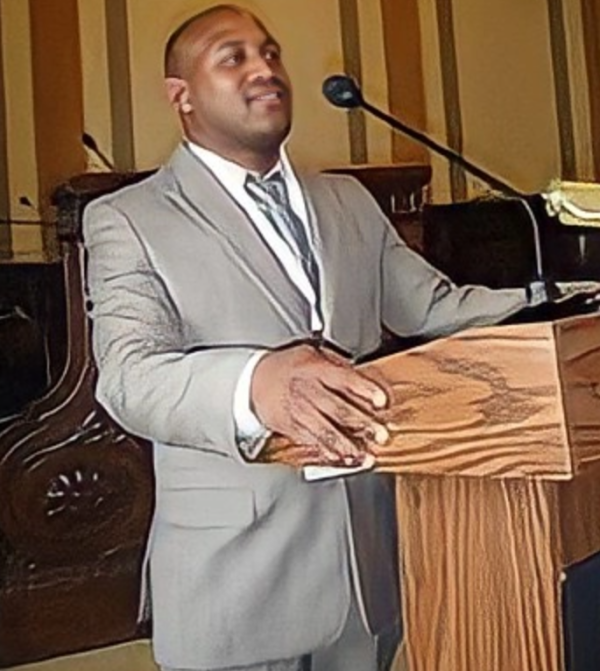
“Because technology is constantly changing and evolving, I’m always teaching myself and learning so much,” said DavidIMG 002 David TaylorDavid Taylor Taylor, a senior co-trainer at MyTechForAll. “Then, I’m able to train other mentors to use technologies like Google Gemini and the Alexa Echo Sonar to make our lives easier.”
In addition to teaching people how to use existing tools, researchers and advocates are also building new technology designed specifically for people with disabilities and their families.

The Center for Leadership in Disability at Georgia State University (GSU) is developing an AI tool to make it easier to find information about Medicaid, waivers, and disability benefits. Mark Crenshaw, director of interdisciplinary training at the School of Public Health, and Dylan Schauben, a graduate student, are developing an AI tool to make it easier to find this information.

“This project is the outcome of working with graduate students for several years to develop family-focused, plain language resources about how to navigate Medicaid waivers and disability benefits,” explained Crenshaw. “After a couple of years, we realized that there was a ton of information that families had to wade through to get access to vital supports and services.”

IMG 004 Dylan SchaubenDylan SchaubenSchauben, who started working with Crenshaw through the Georgia Leadership Education in Neurodevelopmental and Related Disabilities (GaLEND) program, suggested using AI to organize this information in a clearer and more accessible way. He also brings experience as a direct support professional (DSP) and holds master’s degrees in social work, public administration, and soon one in information systems.

“A lot of my work has involved bringing these different worlds together,” said Schauben. “The goal is to give people resources in simple terms, multiple languages, and accessible formats that are validated and curated for machine learning. We’re trying to bridge gaps in knowledge, and that requires involving a lot of different voices in the conversation.”

Building an AI tool that shares accurate and trustworthy information about Medicaid and disability benefits takes time and care. Because this information can be sensitive, privacy has been a top priority. The team has focused on making sure the tool follows the Health Insurance Portability and Accountability Act (HIPAA).IMG 003 MarkCrenshawMark Crenshaw
“During one of our demos, one of the students intentionally put personally identifiable information into the system, and it basically replied, ‘Don’t do that,’” said Crenshaw. “From the beginning, we’ve thought about the kinds of ways that individuals and families would interact with the tool and tried to think about privacy and helping folks guard their information.”

While the AI tool is still being tested, the developers believe it has strong potential. The work of groups like MyTechForAll and researchers at Georgia State University shows how technology, when designed with people with disabilities, can improve access, independence, and quality of life for Georgians with disabilities.

Feature Story, GCDD Impact

Advocacy During the Legislative Session: What Matters and How You Can Help

Decisions made during Georgia’s legislative session affect the daily lives of people with intellectual andGCDD Advocacy Days Logo 2019F developmental disabilities (I/DD) and their families. These decisions shape whether someone can get help at home, whether a student can stay in an inclusive classroom, and whether people can access the healthcare they need. These choices are not just about policy—they affect real people every day.
This session, the Georgia Council on Developmental Disabilities (GCDD) is focused on a small number of clear priorities. These priorities come directly from what we hear from self-advocates, families, educators, and service providers across the state. Our goals are to strengthen community services, support inclusive schools, address staff shortages, expand college options, and protect Medicaid. Just as important, we want people across Georgia to know how they can get involved and make their voices heard.

Advocacy works best when lawmakers hear directly from the people affected by their decisions. GCDD has three Advocacy Days this session—January 28, February 4, and March 4, each focused on key issues.

You can get involved by attending an Advocacy Day, sharing your story, following updates online, or learning more about these issues. You do not need special policy knowledge. Your experiences and your voice matter.

NOW/COMP Waivers Advocacy Day: January 28, 2026

GCDD is calling for funding for 1,217 new NOW/COMP waivers, along with 26 new staff positions at the Georgia Department of Behavioral Health and Developmental Disabilities (DBHDD).

NOW/COMP waivers help people with I/DD live in their own homes and communities. These services can include help with daily tasks, job support, and other services that make independent living possible. Without a waiver, many people are at risk of losing support or being placed in institutions.

Even with recent progress, Georgia’s waiting list for waivers is still very long. Many families wait years for services they urgently need.

The request for 1,217 new waivers is based on data that identifies people with the most urgent needs – those most at risk of crisis or losing support. This number is not random. It reflects shared, data-driven information from the Department of Behavioral Health & Developmental Disabilities (DBHDD) and service providers across the state. When agencies, providers, and advocates agree on the need, it increases the chances that new services can be delivered effectively.

New waivers also require enough staff to manage them. Additional DBHDD staff help ensure services are set up correctly, providers are supported, and families are not left waiting because of paperwork or system delays. Waivers and staff must grow together to work well.

K-12 Education Advocacy Day – February 4, 2026

GCDD continues to focus on moving away from the Georgia Network for Educational and Therapeutic Support (GNETS) and toward inclusive school settings for students with disabilities.

Separate and segregated programs do not reflect best practices or what many families want for their children. Most families want their children to learn alongside peers in their local schools, with the right supports in place.

Ending GNETS is not just about closing a program. Schools must receive the resources they need to support students, too. This includes more funding for therapeutic supports like mental health services, behavioral supports, and related services within regular schools. Without these supports, schools may struggle to meet student needs, and students may be placed in more restrictive settings.

Inclusive education works when schools are properly supported. GCDD is focused on policies and budget decisions that help schools serve students with disabilities in inclusive, neighborhood classrooms.

In addition, many schools across Georgia are facing serious shortages of special education teachers. When classrooms lack experienced staff, students with disabilities are often the most affected.

One way to help address this problem is to make it easier for retired teachers to return to the classroom. Under current law, teachers must have 30 years of service and wait a full year after retirement before returning to teach. These rules can delay the return of skilled educators who are ready to help.

Changes to be discussed during this legislative session would shorten the time teachers must wait before returning and reduce service requirements. This would allow experienced teachers, especially those trained in special education, to come back sooner. Bringing these educators back more quickly would help schools fill vacancies, improve classroom stability, and better support students with disabilities.

Inclusive Postsecondary Education (IPSE) programs allow students with intellectual disabilities to attend college, learn job skills, and prepare for employment. These programs help students build independence and become more involved in their communities.

Georgia’s IPSE grants have helped expand these programs, but temporary funding makes it hard for colleges and students to plan. GCDD is advocating for permanent funding so these programs can continue and grow.

Making IPSE grants permanent sends a clear message that students with intellectual disabilities belong in higher education and deserve long-term opportunities to succeed.

No Cuts to Care: Medicaid Advocacy Day – March 4, 2026

Medicaid pays for many of the services people with I/DD rely on throughout their lives. This includes healthcare, home and community-based services, and long-term supports that allow people to live in their communities.

After last summer’s federal budget decisions, states are under pressure to reduce Medicaid spending. While these federal changes do not directly target people with disabilities, states may still have to make difficult choices about where to cut costs.

GCDD is closely watching these discussions and is committed to ensuring that no Medicaid funding decisions in Georgia harm people with I/DD.
Cuts to Medicaid can affect families, service providers, and entire communities. Protecting Medicaid is essential to keeping people healthy, supported, and included.

Register for GCDD’s Advocacy Days!

This legislative session is an important chance to improve policies that affect people with I/DD across Georgia. GCDD’s priorities are based on real experiences and focus on practical solutions.

Progress happens when people come together. When self-advocates, families, educators, and allies speak up, lawmakers listen. Your voice matters—and now is the time to use it.

Make your voice heard! Register for GCDD’s Advocacy Days.

Public Policy For The People, Feature Story

Letter from Leadership: Urgently Needed! 1,217 New Waivers

rena harrisRena Harris, GCDD Chief Program OfficerFor the past two and a half years, the Georgia Council on Developmental Disabilities (GCDD) has had the privilege of working alongside leaders across Georgia’s intellectual and developmental disabilities (I/DD) community as part of the Georgia Department of Behavioral Health and Developmental Disabilities (DBHDD) I/DD Workgroup. Together, we set out to confront three of the most critical challenges in our system: the provider workforce crisis, people stranded in emergency rooms and hospitals, and the long and growing waiting list for the NOW and COMP waivers.

As conditions worsened, the workgroup narrowed its focus to the waiting list, a symptom of devaluation and chronic underfunding despite Georgia’s healthy coffers. For nearly a year, we analyzed data, redesigned the assessment process, and developed expanded urgency criteria to ensure that limited resources reach those in the greatest danger first.

Using its own data, DBHDD staff identified the number of Georgians with the most urgent needs. Based on that analysis, the GCDD planned a unified request with DBHDD and the Service Provider’s Association for Developmental Disabilities (SPADD) for 1,217 new waiver slots, along with 26 additional DBHDD staff needed to process and implement them.

Unfortunately, as of this writing in late January 2026, DBHDD has requested funding for only 100 new waivers.

GCDD cannot accept that outcome.

We are moving forward together with SPADD to call for the full 1,217 waivers that are urgently needed for people living in institutions, people whose caregivers are over the age of 60, people stuck in jails and hospitals, people at risk of homelessness, and young adults at risk of “graduating” from school directly to a couch with no services.

There are 1,217 people waiting for the most basic supports to live safely in their communities.

We cannot, in good conscience, ask them to wait one more day.

If you or your loved one is on the waiting list and is over 22 years old, please share your story with us to help us show Georgia’s leaders why 1217 new waivers are urgently needed. Complete a quick survey to share your story today

Letter from Leadership

What Being a Self-Advocate Means to Me

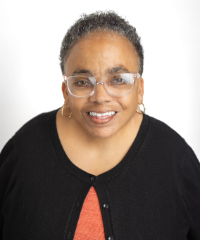
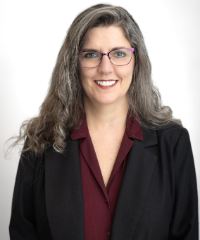
dorothy harrisBeing a self-advocate means speaking up for myself and for others. It means standing up for my rights and asking for what I need and want. It also means helping to make sure other people are heard, too.
One of my first memories of advocating was with my friends during council meetings of the City of Fitzgerald and Ben Hill County. We spoke about the need for public transportation. We kept showing up and speaking out until our community got what it needed. That experience taught me that change can happen when people work together and do not give up.

Another important moment for me was GCDD’s Advocacy Days at the Capitol. I introduced a guest speaker at one event. At another Advocacy Day, I gave my own speech. I talked about how important it is for people to be heard and about unlocking the waiting list. Speaking at the Capitol helped me see how powerful our voices can be.

If you are new to advocacy, I want you to know that you matter. Your feelings matter. What you want matters. You may not always get what you ask for right away, and that is okay. My advice is to be patient and respectful. Keep speaking up, even when it takes time.

Several issues are important to me. Immigration matters to me because I believe everyone should have the chance to become a citizen and follow their dreams. The economy is important because the cost of living affects everyone. Health care is important to me because of my own health needs and experiences.

Being a self-advocate has taught me that my voice is important. When I speak up for myself and my community, I know I am helping create change, one step at a time.

Dorothy Harris is a member of Uniting for Change, a statewide, grassroots network of self-advocates, allies and supporters in Georgia. She is also a former member of the Georgia Council on Developmental Disabilities.

Self-Advocate Spotlight

Ask GCDD Anything!

The Georgia Council on Developmental Disabilities (GCDD) is launching a new feature column for Making A Difference magazine called “Ask GCDD Anything!” Through this column, GCDD will provide more education, information, and resources for Georgia’s developmental disabilities community on topics that are important to YOU!GCDD AskGCDDAnything logo

What kinds of questions can you ask? Here are just a few examples:

  • "How do I apply for a NOW or COMP waiver in Georgia, and what's the current wait time?"
  • "What rights does my child with a disability have under special education law?"
  • "Are there supported employment programs that can help my adult son find a job?"
  • "What respite care resources are available for family caregivers in my county?"

Here’s how it works:

  1. Complete an online form to send your questions to GCDD on issues and topics that concern you. It could be on education, employment, waivers, and more.
  2. GCDD will review your question and find the right subject matter experts to provide answers.
  3. Each month, a question and answer will be highlighted in the magazine!

Get started by taking a minute to complete a short form to submit your questions: Ask Me Anything

Ask GCDD Anything!

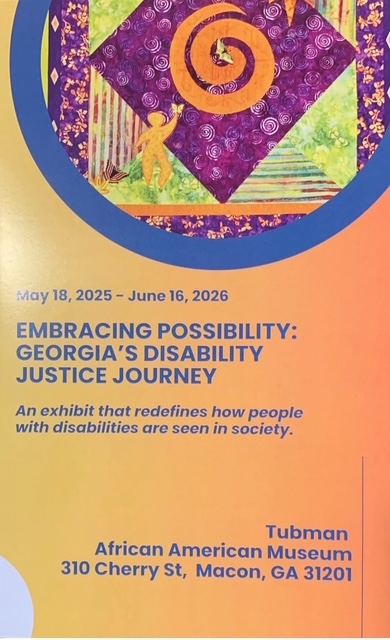
Embrace What’s Possible at the Tubman Museum Disability Justice Journey Exhibit

embracing posibility 1

Discover stories of courage, creativity, and leadership from people with disabilities in Georgia and beyond. Learn how disability justice connects to Harriet Tubman’s legacy of strength at the Tubman African American Museum in Macon.

“Embracing Possibility: Georgia’s Disability Justice Journey” helps change how people think about disability. Through art, interactive activities, and real stories, the exhibit shares the history of disability justice and highlights the strength of people with intellectual disabilities, their families, and communities. Each section shows what’s possible and encourages visitors to think and act in new ways.

The exhibit runs through June 2026. Come learn what is possible!

Learn more at https://tubmanmuseum.com/event/embracing-possibility/.


GCDD Updates